morePlatz
architecture / urbanism / art / office / publications / contact deutsch

|
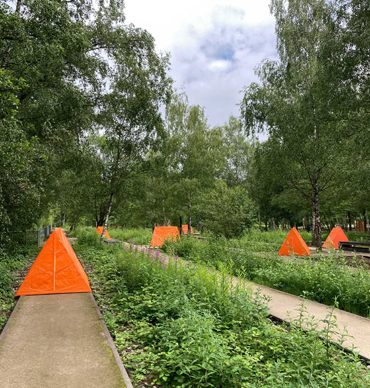
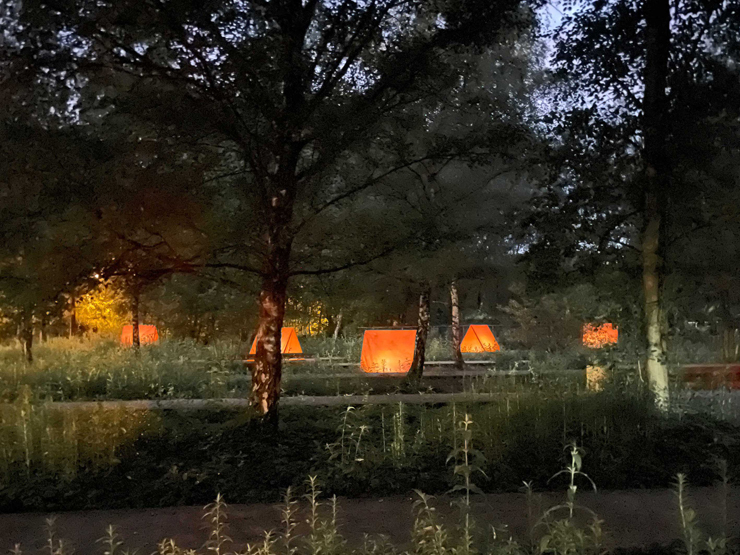
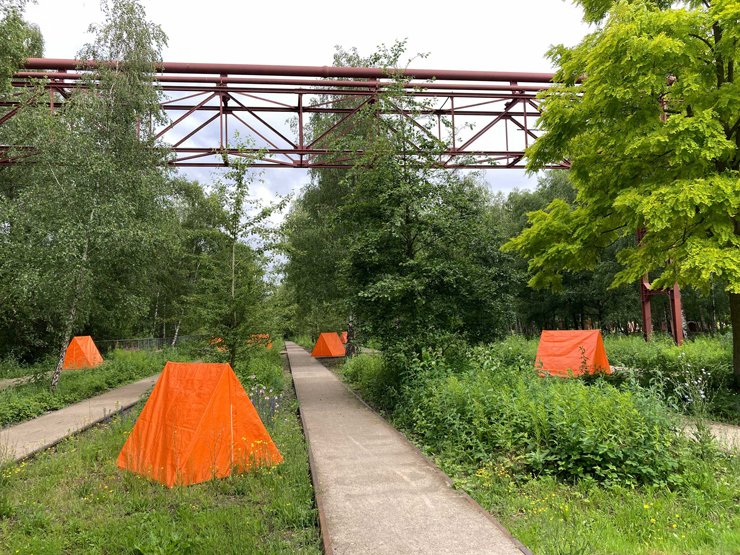
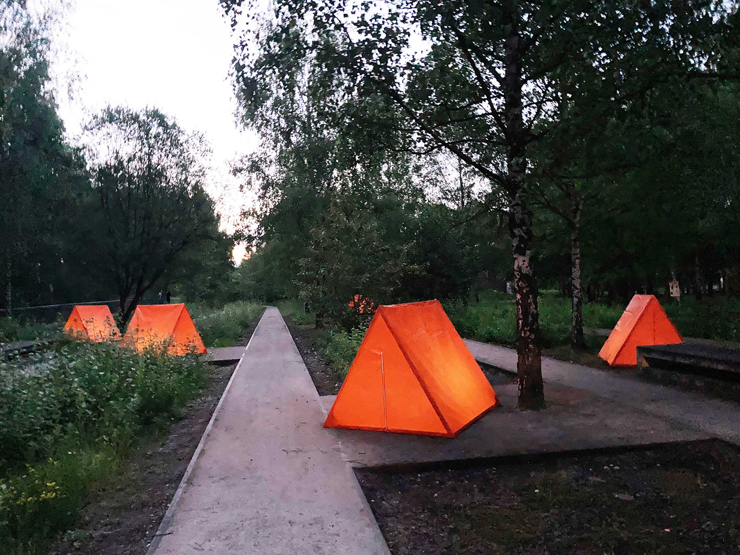
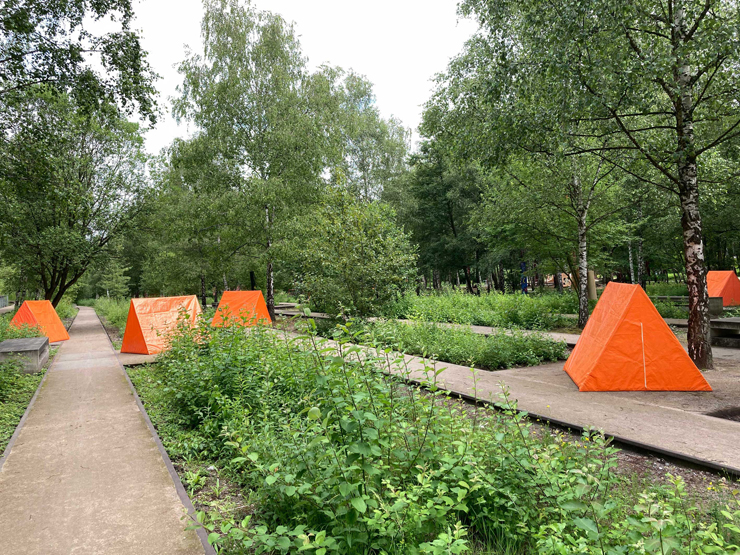
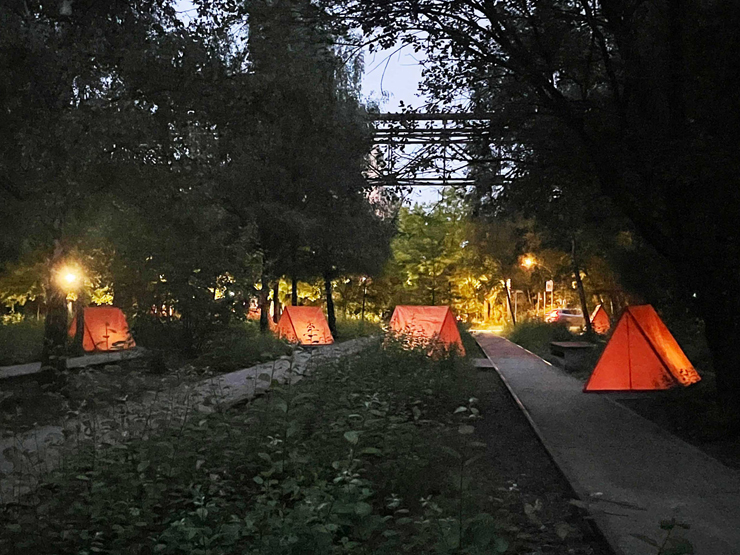
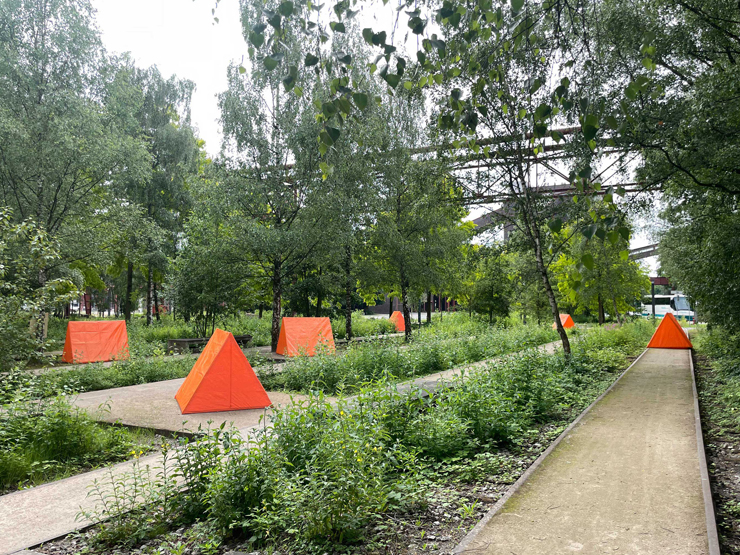
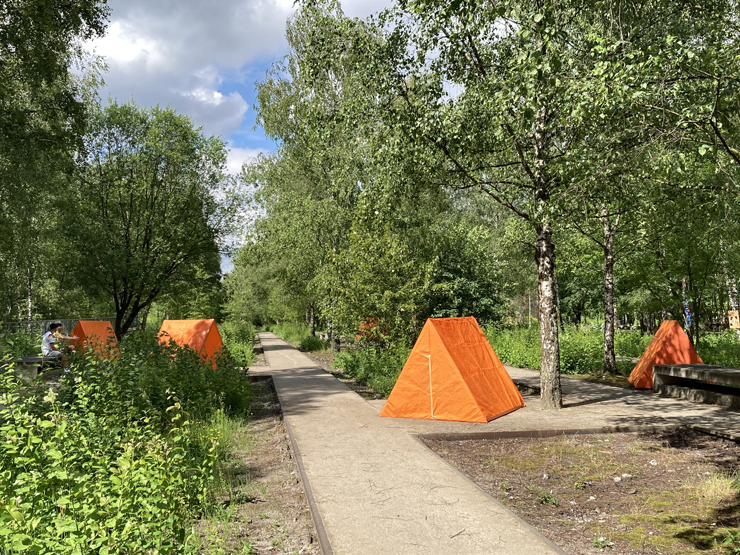
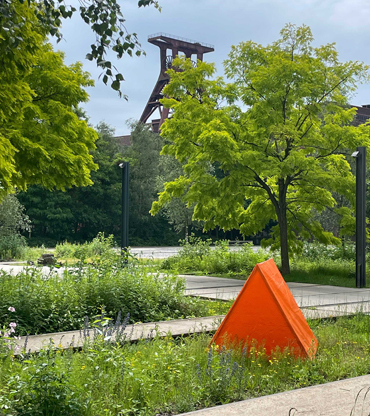
To mark the 25th anniversary of the UNESCO World Heritage site, our "settlement" *Siedlung* is being reconstructed for the Industrial Culture Festival at Zollverein Park in Essen. Since the decline of heavy industry, the Ruhr region has been in a state of constant transformation, exemplifying a remarkable capacity for reinvention. The Zollverein Coal Mine stands as a prime example of the adaptive reuse of former hard-coal mines, demonstrating that viable alternatives for urban renewal can succeed. Originally realized in Munich in the year 2000—on the railway tracks between the central station and the Hackerbrücke—the "Siedlung" symbolized a new urban lifestyle: mobility, the blurring of boundaries, and the breaking down of old orders. It was an expression of an era defined by concepts such as "urban nomadism" and the ease of travel. Back in 2000, it seemed as though a better future was in store for an increasing number of countries. Following the fall of the Berlin Wall and the collapse of the Eastern Bloc, horizons had opened wide. |
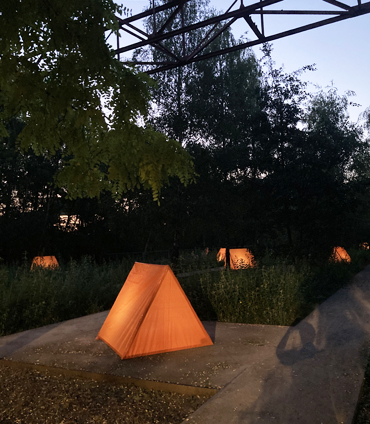
At the time, the eight orange tents embodied the positive *zeitgeist* and dynamism of the Nineties. Yet, the signs began to shift as early as the start of the 21st century. The tragedy of the new millennium lies in the gradual disappearance of that positive expectation and openness. Twelve years later, the "Siedlung" was reconstructed in Rotterdam as part of the Netherlands Architecture Institute's summer program. Since the *Zeitenwende* of 2022—when the drivers of migration and displacement began to stem from a real threat within Europe—the "Siedlung 3.0" installation has taken on new significance; the tents now exist in a different context. |
 |
|
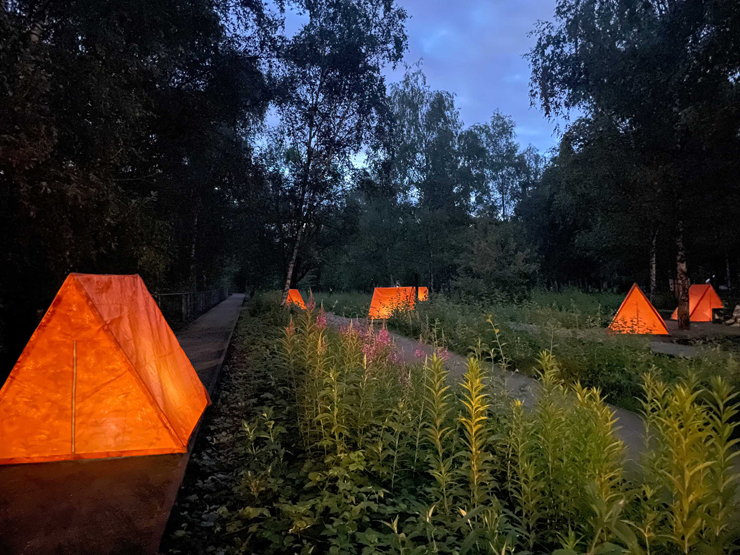
Nestled among the birch trees of Zollverein Park and along the former railway tracks, the tents evoke the value of peaceful coexistence, lightness, and openness. The wave of migration that began in 2015—and was reignited in 2022 by the war in Ukraine—prompted vast numbers of people to leave their homelands in search of a peaceful life in Europe. For the Zollverein Coal Mine Industrial Complex and the Kunstraum HLGeist, the return of the "Settlement" is therefore a moment rich in layers of meaning. |